
The Power, Speed, and Technique of Swimming
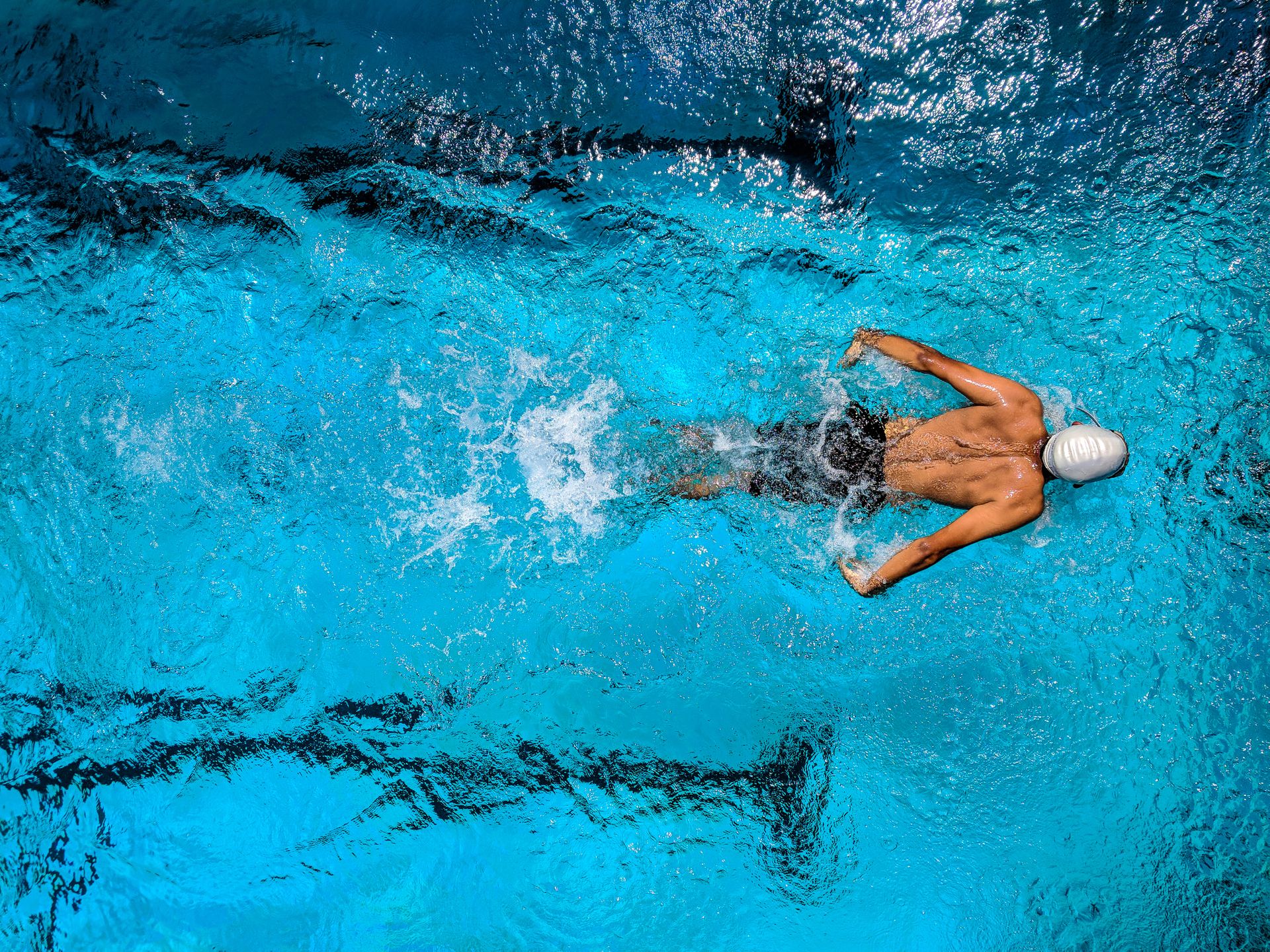
Swimming is one of the most complete physical sports in the world. It improves endurance, strength, flexibility, and cardiovascular health while demanding strong mental focus and discipline. Swimming is a sport defined by power, speed, and refined technique, demanding full-body coordination and exceptional endurance. Every stroke—whether freestyle, backstroke, breaststroke, or butterfly—requires precise timing, efficient breathing, and streamlined body positioning to minimize resistance in the water. Even small technical adjustments can significantly impact performance, especially in elite competition. Major events such as the Summer Olympics highlight the sport’s intensity, where races are often decided by fractions of a second. Legendary athletes like Michael Phelps have demonstrated how strength, discipline, and technical mastery combine to achieve record-breaking success. Swimming not only tests physical power but also mental focus and consistency. From explosive starts off the blocks to powerful turns and precise finishes, the sport showcases a unique blend of athleticism and technique that makes it one of the most demanding and captivating competitions in the world.
1. Historical Development of Swimming
Swimming has ancient origins and became an official Olympic sport in 1896. It has since evolved into one of the most competitive global events. Swimming has a long and fascinating history that dates back to ancient civilizations. Evidence of swimming appears in Egyptian cave paintings from around 2500 BCE, and it was also practiced in ancient Greece and Rome for both recreation and military training. However, competitive swimming as an organized sport began to take shape in 19th-century Europe, particularly in England. The establishment of the Amateur Swimming Association in 1869 helped standardize rules and promote structured competitions. Swimming later became one of the original sports included in the 1896 Summer Olympics, marking a major milestone in its global recognition. In 1908, the formation of the Fédération Internationale de Natation (FINA) further unified international rules and organized world championships. Over time, advances in training techniques, pool design, and swimwear technology have transformed swimming into a highly competitive and globally celebrated sport, blending ancient tradition with modern innovation.
2. Types of Swimming Strokes
The four main strokes are Freestyle, Breaststroke, Backstroke, and Butterfly — each requiring specific techniques and breathing control. Competitive swimming features four main strokes, each with distinct techniques and rules governed internationally by the Fédération Internationale de Natation. Freestyle (Front Crawl) is the fastest and most commonly used stroke. Swimmers alternate arm movements in a windmill motion while performing a flutter kick. Although any stroke is technically allowed in freestyle events, the front crawl is preferred for its speed and efficiency. Backstroke is performed on the swimmer’s back using alternating arm rotations and a flutter kick. It requires strong coordination and spatial awareness to maintain a straight path in the lane. Breaststroke is characterized by a frog-like kick and simultaneous arm movements. It is generally slower but demands precise timing and technique to maximize propulsion and minimize drag. Butterfly is one of the most physically demanding strokes. Swimmers move both arms simultaneously in a powerful overhead motion while using a dolphin kick. This stroke requires exceptional strength, rhythm, and endurance. These four strokes are showcased in major competitions such as the Summer Olympics, where athletes compete individually and in medley events that combine all four techniques.
3. Competitive Structure
Swimming competitions include individual and relay races across various distances such as 50m, 100m, and 200m. The competitive structure of swimming is carefully organized to ensure fairness, progression, and global participation. Events are typically divided by stroke type, distance, gender, and age group. Races range from short sprints, such as 50 meters, to long-distance events like 1500 meters, as well as medley races that combine all four strokes. Major international competitions are governed by the Fédération Internationale de Natation, which sets standardized rules for timing, stroke technique, and qualification procedures. Elite swimmers compete in preliminary heats, with the fastest advancing to semifinals and finals, where medals are decided. The sport is prominently featured in the Summer Olympics and the FINA World Championships, where athletes represent their countries in both individual and relay events. Relay races, such as the 4×100-meter freestyle, emphasize teamwork alongside individual performance. This structured system allows swimmers at all levels—from local meets to global championships—to compete in a clear and organized pathway toward excellence.
4. Physical Benefits
Swimming provides a full-body workout and enhances muscle strength, lung capacity, and overall stamina. Swimming offers a wide range of physical benefits, making it one of the most complete forms of exercise. It provides a full-body workout, engaging the arms, legs, core, and back muscles simultaneously. Because water creates natural resistance, every movement helps build muscular strength and endurance without placing excessive stress on the joints. Cardiovascular health is another major benefit. Regular swimming improves heart and lung capacity, enhances circulation, and increases overall stamina. Unlike many high-impact sports, swimming is gentle on the body, which makes it suitable for people of all ages and fitness levels. Organizations such as the Fédération Internationale de Natation promote the sport worldwide not only for competition but also for health and wellness. Additionally, swimming improves flexibility, coordination, and balance while helping maintain a healthy body weight. Its low-impact nature reduces the risk of injury, making it an ideal lifelong activity that supports both physical fitness and overall well-being.
5. Mental Strength and Focus
Athletes must maintain breathing rhythm, concentration, and pace control throughout the race. Mental strength and focus are essential qualities in swimming, where success often depends on discipline, concentration, and emotional control. Unlike team sports, swimmers compete individually in the water, relying heavily on self-motivation and internal drive. Hours of repetitive training require patience and resilience, especially when striving to improve times by mere fractions of a second. In high-pressure events such as the Summer Olympics, the ability to stay calm and composed can determine the outcome of a race. Legendary athletes like Katie Ledecky demonstrate remarkable focus, maintaining steady pacing and strong finishes even under intense competition. Visualization techniques, goal setting, and controlled breathing strategies help swimmers manage anxiety and sharpen concentration before and during races. Ultimately, strong mental discipline allows athletes to push through fatigue, maintain technique, and perform at their highest level when it matters most.
6. Training and Conditioning
Professional swimmers follow structured programs including water drills, gym workouts, and recovery sessions. Training and conditioning in swimming are designed to build endurance, strength, speed, and technical precision. Swimmers typically follow structured programs that include daily pool sessions focused on stroke refinement, interval training, and pacing strategies. Workouts often vary between long-distance aerobic sets to improve stamina and high-intensity sprint sets to develop explosive speed. Strength and conditioning outside the pool are equally important. Dryland training includes weightlifting, core exercises, resistance training, and flexibility work to enhance power and reduce the risk of injury. Elite programs guided by organizations such as the Fédération Internationale de Natation emphasize balanced development of upper-body and lower-body strength. Recovery also plays a key role in conditioning. Proper nutrition, hydration, stretching, and rest allow swimmers to maintain peak performance throughout demanding seasons and major competitions like the Summer Olympics. By combining technical drills, physical conditioning, and recovery strategies, swimmers build the foundation necessary for long-term success.
7. International Competitions
Major events include the Olympic Games, World Aquatics Championships, and continental tournaments. International swimming competitions showcase the highest level of talent, discipline, and global unity in the sport. The primary governing body, the Fédération Internationale de Natation (FINA), organizes major global events that set international standards and rankings. The most prestigious competition is the Summer Olympics, where swimmers represent their countries and compete for gold medals in various strokes and relay events. The FINA World Championships also play a crucial role, featuring elite athletes from across the globe and often producing record-breaking performances. Other major events include continental championships and international meets that help swimmers qualify for global tournaments. These competitions not only highlight athletic excellence but also promote cultural exchange and international sportsmanship, strengthening swimming’s position as one of the world’s most celebrated competitive sports.
8. Technology in Modern Swimming
Advanced swimwear, underwater cameras, and digital timing systems improve performance tracking. Technology has played a transformative role in modern swimming, enhancing performance, training, and competition accuracy. Advanced pool designs now feature wave-reducing lane lines and deeper basins to minimize resistance, allowing swimmers to achieve faster times. Electronic timing systems with touchpads ensure precise results, often measuring finishes to the hundredth of a second in events like the Summer Olympics. High-tech swimwear has also evolved significantly. Performance suits are engineered with water-repellent fabrics and compression materials to reduce drag and improve muscle efficiency, though regulations set by the Fédération Internationale de Natation ensure fairness in competition. In training, underwater cameras and motion-analysis software help swimmers refine stroke mechanics, starts, and turns. Wearable devices track heart rate, lap times, and stroke count, providing detailed feedback for improvement. By combining innovation with athletic skill, technology continues to elevate swimming to new levels of speed and precision.
9. Health and Safety
Swimming is a low-impact sport, making it ideal for rehabilitation and long-term fitness. Health and safety are essential priorities in swimming, ensuring that athletes can train and compete in secure environments. Proper supervision, lifeguard presence, and adherence to safety regulations reduce the risk of accidents in both recreational and competitive settings. International standards established by the Fédération Internationale de Natation help maintain consistent safety protocols at major events. Water quality management is another critical factor. Regular monitoring of chlorine levels and filtration systems helps prevent infections and maintain hygienic conditions in pools. Swimmers are also trained in safe diving techniques to avoid injuries, especially during starts and turns. In competitive environments such as the Summer Olympics, medical teams and emergency procedures are always in place to address potential health concerns. Additionally, proper warm-ups, stretching routines, and recovery practices help prevent muscle strain and overuse injuries. By emphasizing safety measures alongside performance, swimming remains a healthy and sustainable sport for participants of all ages.
10. The Future of Swimming
With growing youth participation and scientific training methods, swimming continues to expand globally. The future of swimming is poised for continued innovation, global expansion, and enhanced athletic performance. Advances in sports science and biomechanics are helping swimmers refine stroke efficiency, starts, and turns with greater precision. Governing bodies such as the Fédération Internationale de Natation are also updating competition formats and regulations to keep the sport fair, exciting, and accessible worldwide. Technology will play an even larger role in shaping the sport’s evolution. Improved training analytics, wearable performance trackers, and AI-driven technique analysis are expected to help athletes reach new levels of speed and endurance. Major events like the Summer Olympics will continue to inspire young swimmers and expand the sport’s global audience through digital streaming and interactive media. Sustainability is also becoming a priority, with energy-efficient aquatic facilities and environmentally conscious event planning gaining attention. By combining tradition, innovation, and inclusivity, swimming is set to remain one of the world’s most respected and widely practiced sports for generations to come.
Final Thoughts
Swimming is one of the most complete and beneficial sports in the world, combining physical strength, endurance, and mental discipline in a unique way. Unlike many other sports, swimming requires the entire body to work in perfect coordination, improving both muscular power and cardiovascular fitness. The sport demands control of breathing, balance in water, and precise technique, making it one of the most effective activities for overall health and athletic performance.
Over time, swimming has developed from a basic survival skill into a highly competitive international sport with Olympic events, world championships, and advanced training systems. Modern coaching methods, underwater analysis, and scientific fitness programs have greatly improved performance while maintaining the importance of discipline and dedication. As swimming continues to grow in popularity across the world, it remains a symbol of health, determination, and personal achievement, and its future in the modern era is expected to become even stronger with the support of technology and global sports development.



